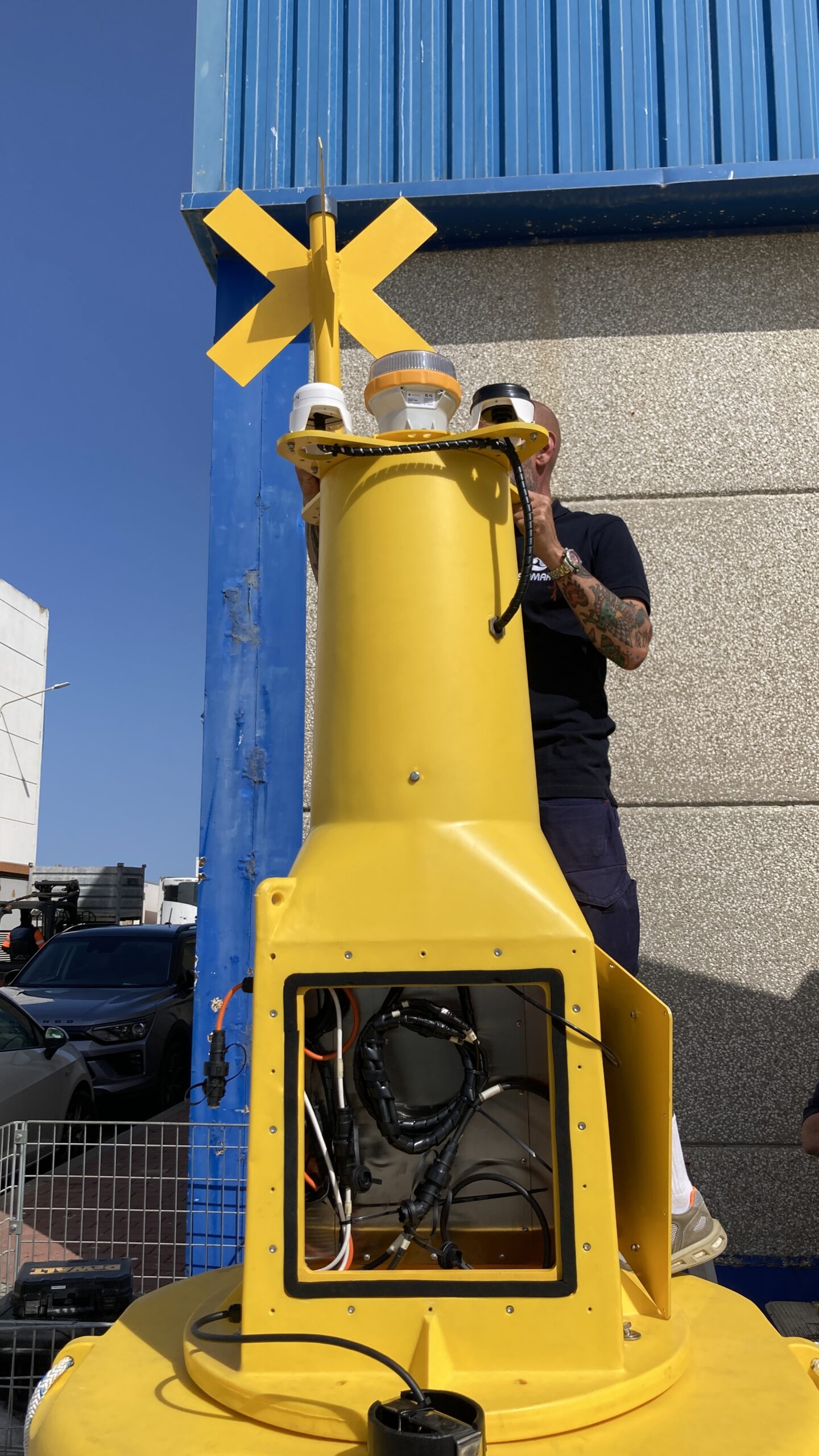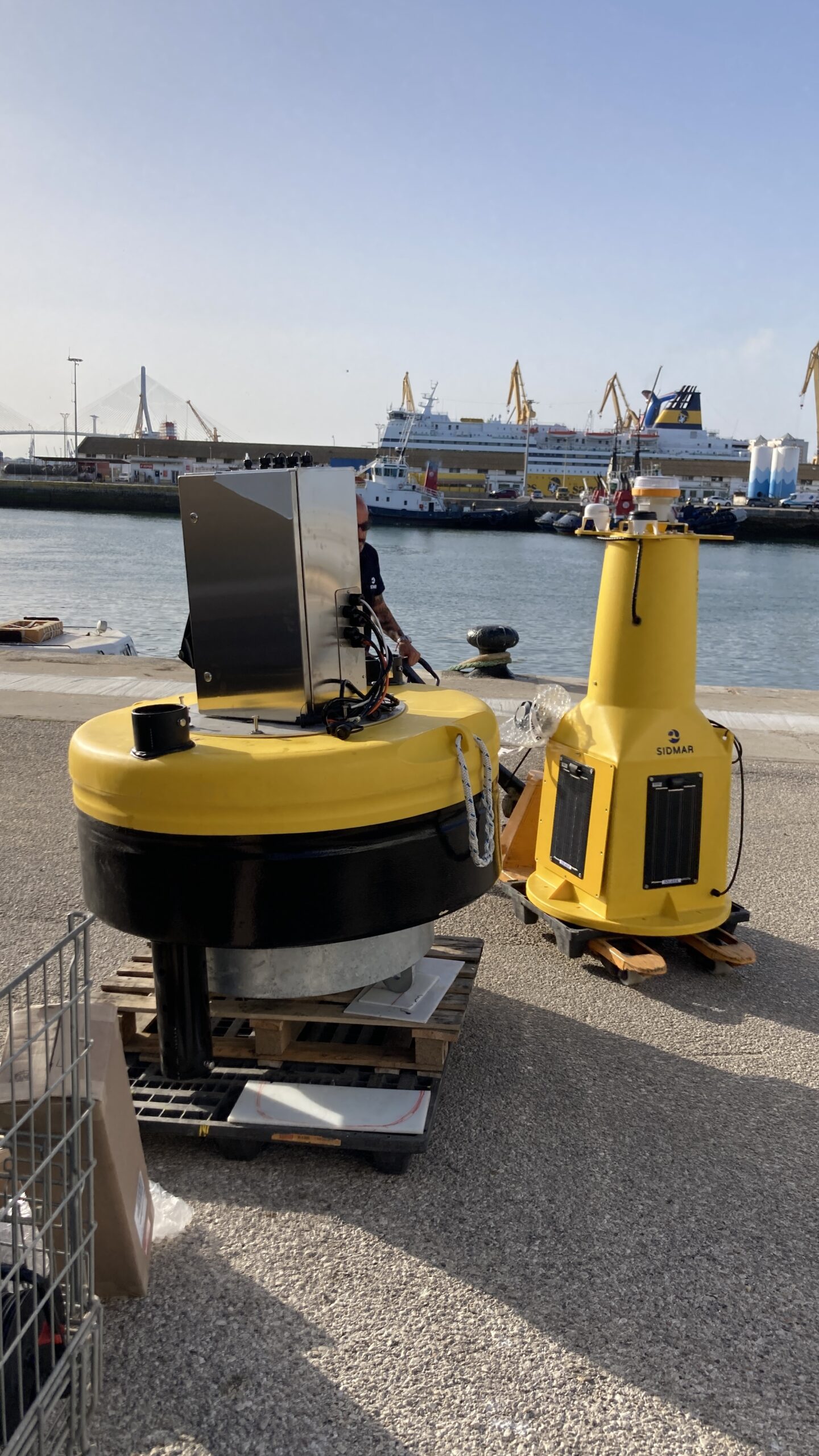
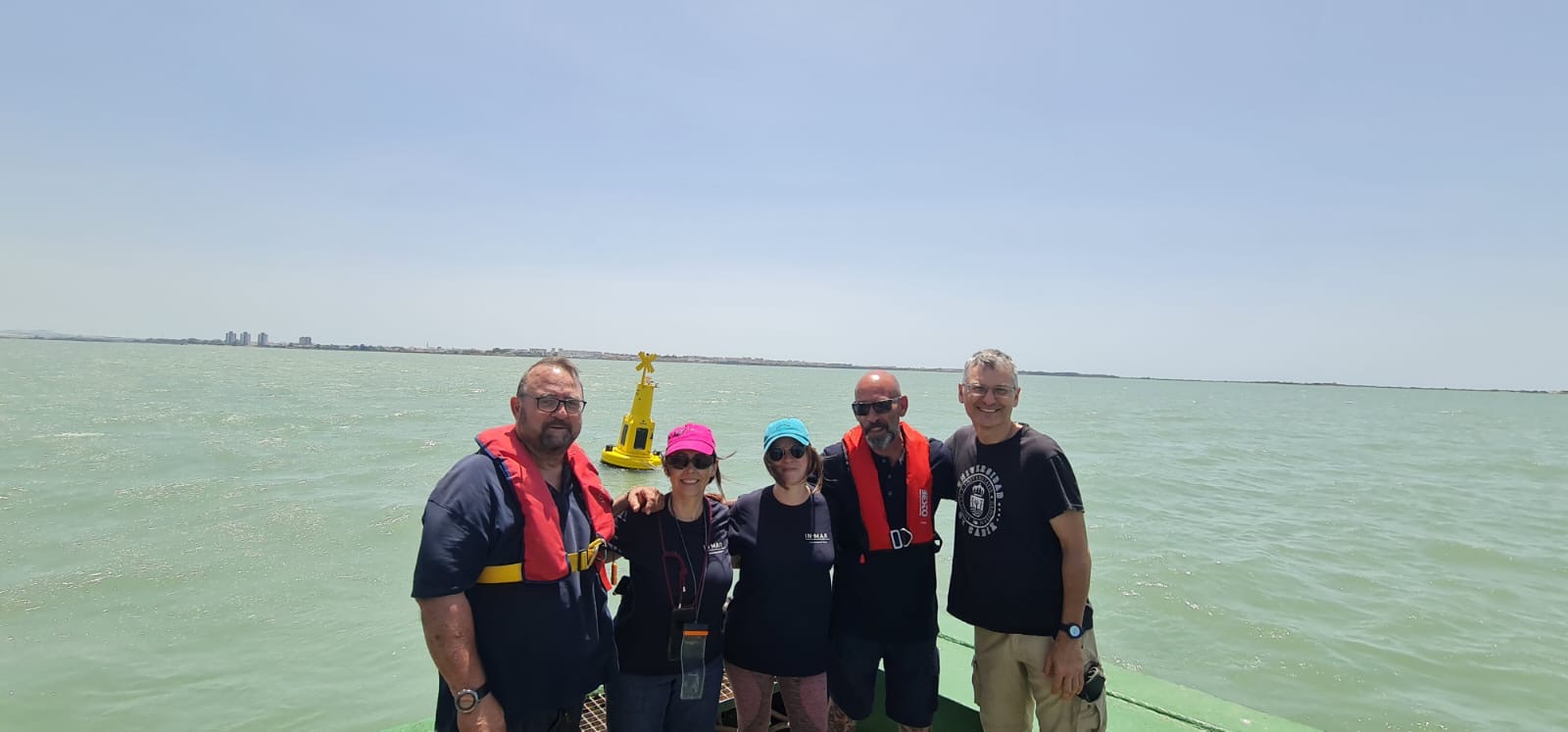
The University of Cádiz (UCA) has today installed a cutting-edge oceanographic buoy in the inner basin of the Bay of Cádiz. This marks a crucial milestone for the project “Multiscalar monitoring of carbon sequestration, biodiversity, and climate change in coastal marshes,” an initiative led by researchers Sokratis Papaspyrou and Alfonso Corzo. The project is part of the Marine Science Complementary Plan and the Recovery, Transformation, and Resilience Plan, which provide the funding for this endeavor.
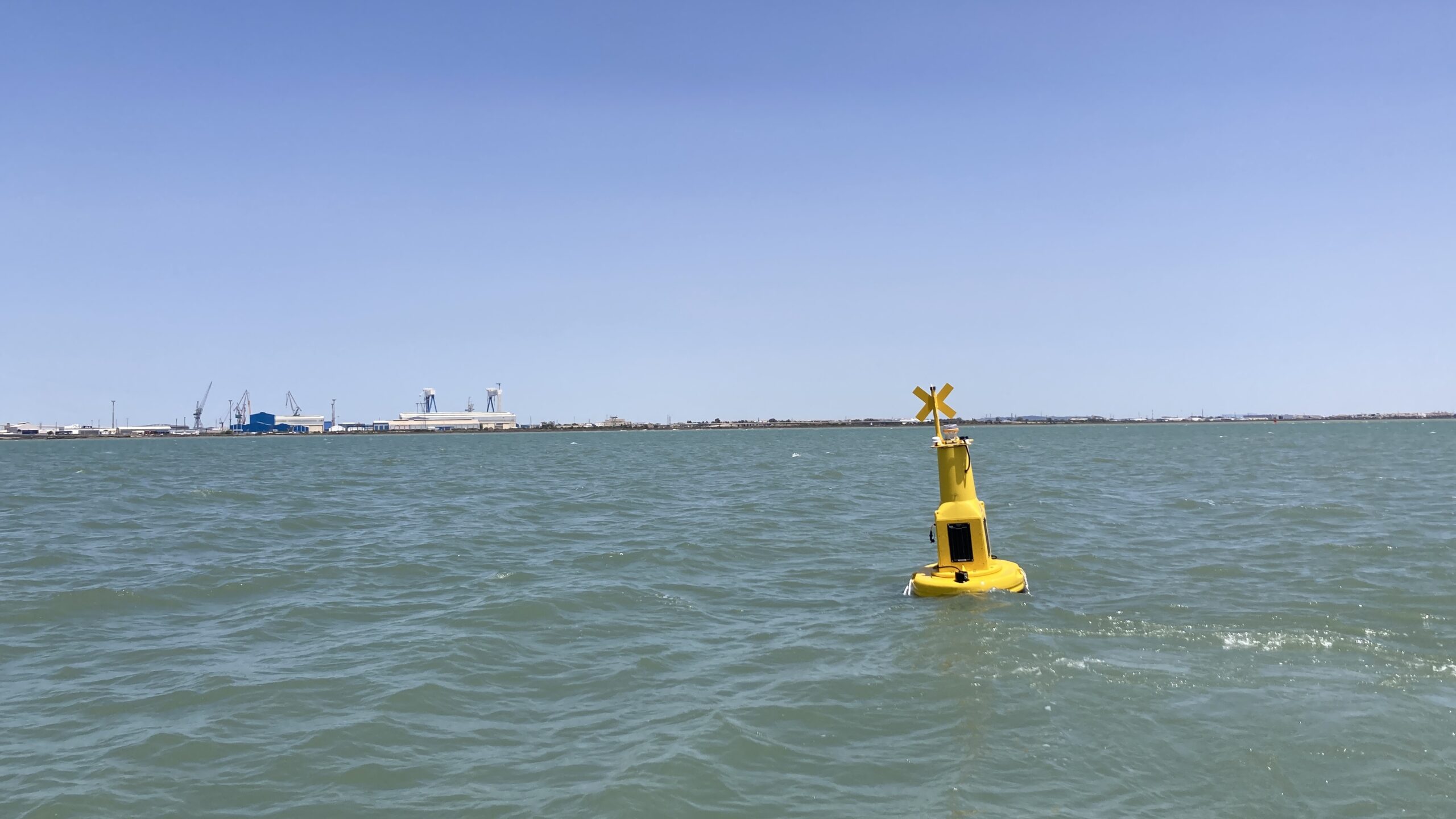

The buoy is equipped with a multiparametric probe that will continuously measure various water column properties with high resolution. These include temperature, conductivity, pH, dissolved oxygen, chlorophyll (via fluorescence), turbidity, and current speed and direction. This real-time data will be fundamental to understanding the effects of climate change and extreme events—such as storms and heatwaves—on estuarine ecosystems.
Importance for Fisheries, Shellfishing, and Coastal Management
The continuous monitoring of water quality and productivity in the Bay of Cádiz is of vital importance to the local fishing and shellfishing sectors. Parameters such as dissolved oxygen, temperature, and chlorophyll are key indicators of marine ecosystem health and food availability for various species. Optimal water quality and high primary productivity (linked to chlorophyll levels) are essential for the growth and survival of fish and shellfish populations, ensuring the sustainability of these deeply rooted economic activities in the region.
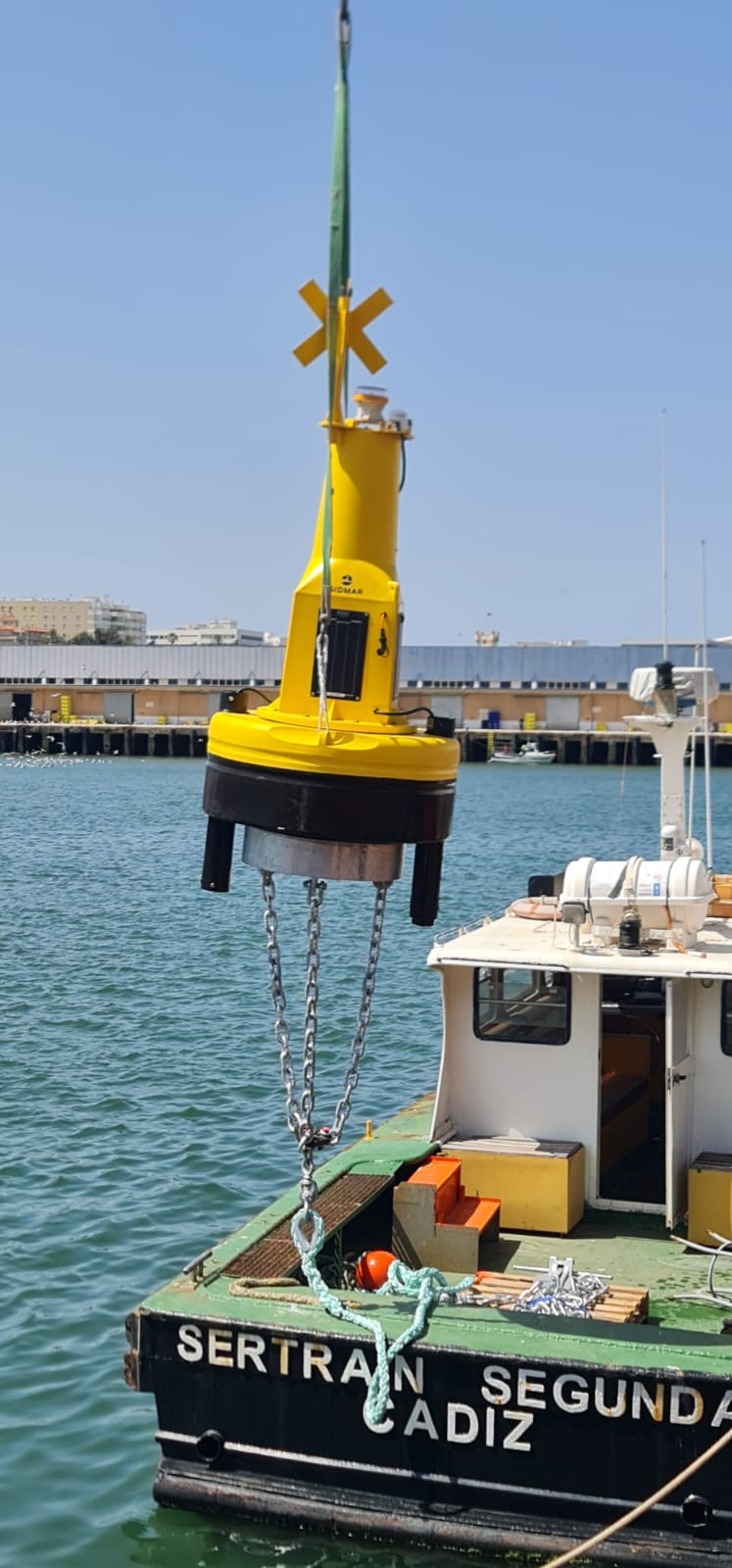
Furthermore, combining turbidity and chlorophyll data with current speed and direction (via the current meter) will provide crucial information for estimating material transport within the bay. This is essential for understanding sediment and nutrient dynamics. With this data, researchers will be able to predict the impact of sea-level rise on the coastline and system productivity, allowing for the development of more effective coastal management strategies and climate change adaptation.
A Step Toward the MLab-Bahía
This project falls under the “Observation and monitoring of the marine and coastal environment” line of action and lays the foundation for the creation of the Coastal Laboratory for Advanced Multiscalar Monitoring of the Bay of Cádiz (MLab-Bahía). The goal of MLab-Bahía is to implement a comprehensive observation platform spanning from the water to the upper limits of the salt marsh, integrating various tools and technologies to track the marine ecosystem across all dimensions.
The information gathered by the buoy will not only enrich scientific knowledge regarding carbon flows and biodiversity in intertidal zones but will also be highly valuable for:
- The Bay of Cádiz Natural Park management office.
- The Atlantic Coast Directorate.
- The Port Authority of the Bay of Cádiz.
- The Regional Ministry of the Environment (Junta de Andalucía) and local town councils.
This data will help identify areas of special interest for protection, restoration, and the improvement of management practices within this protected area. The installation of this multiparametric buoy is a significant step toward strengthening the resilience of marine ecosystems and creating surveillance networks, positioning the Bay of Cádiz as a benchmark in the observation and study of coastal marshes.